
























Best Drill Bits for Concrete, Brick, Masonry & Tile: A Complete Buying Guide

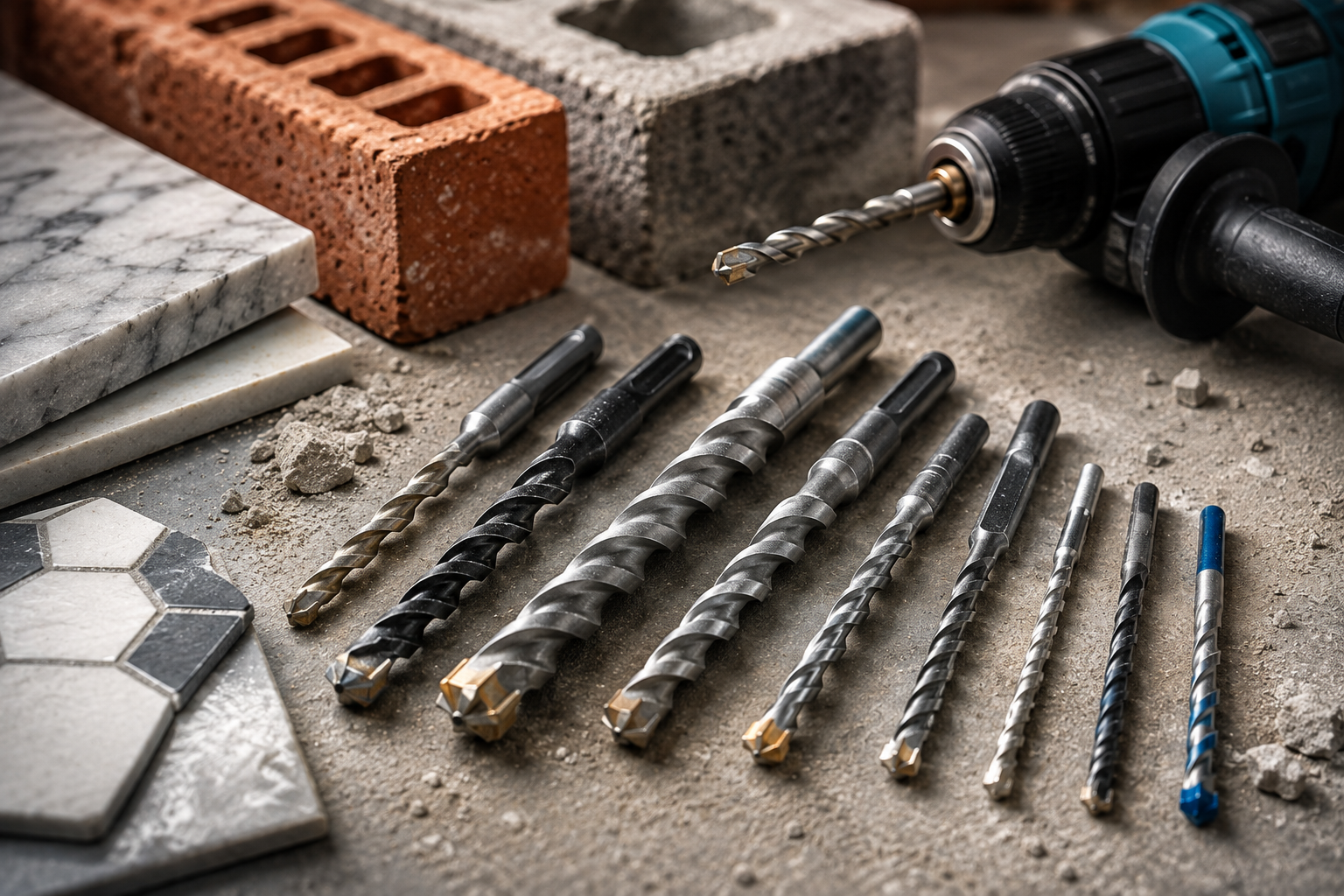
Drilling into concrete, brick, masonry, or tile is very different from drilling into ordinary wood. If you use the wrong drill bit, you may struggle to make a clean hole, damage the bit, crack the material, or spend much longer on a simple project.
The good news is that choosing the right masonry drill bit does not have to be complicated.
For concrete, brick, and masonry, you generally need a drill bit specifically designed for hard mineral-based materials. For tile, the correct bit depends on the type of tile and its surface, so using a bit designed for tile is usually a safer starting point than using a standard wood or general-purpose bit.
The important part is matching the bit type, material, diameter, drilling method, and tool to the job.
Whether you are installing shelves, mounting cabinets, securing fixtures, running cables, installing plumbing, or completing a home improvement project, this guide will help you understand which drill bits are suitable for concrete, brick, masonry, and tile—and what to look for before buying a drill bit set.
Quick Answer: Which Drill Bit Should You Use?
If you need a simple starting point, use this guide:
| Material | Recommended Bit Type | Important Consideration |
|---|---|---|
| Concrete | Masonry bit | Hard material requires a suitable cutting tip |
| Brick | Masonry bit | Choose according to brick hardness |
| Block | Masonry bit | Match bit size to the anchor or fastener |
| General masonry | Masonry bit | Use the correct drilling method |
| Ceramic tile | Tile-specific bit | Avoid excessive pressure |
| Porcelain tile | Suitable tile/porcelain bit | Requires more careful drilling |
| Wood | Wood drill bit | Masonry bits are not the first choice |
| Metal | Metal-cutting drill bit | Use a bit designed for the metal |
| Glass | Glass-specific bit | Requires specialized technique |
The right drill bit is not simply the sharpest or most expensive option. It is the one designed for the material you are actually drilling.
What Is a Masonry Drill Bit?
A masonry drill bit is designed for drilling into hard mineral-based materials such as brick, concrete, block, and stone.
Unlike a typical wood drill bit, a masonry bit generally uses a hardened cutting tip designed to withstand abrasive materials.
The geometry and construction allow the bit to break through material that would quickly wear down an unsuitable general-purpose bit.
Masonry bits are commonly used for:
- Concrete walls
- Brick walls
- Masonry blocks
- Cement-based surfaces
- Stone in suitable applications
- Home renovation
- Wall mounting
- Electrical installations
- Plumbing projects
- Construction work
The exact performance depends on the bit, drill, material hardness, drilling technique, and application.
Why Standard Drill Bits Struggle With Concrete
A standard drill bit designed for wood is not intended to handle concrete in the same way a masonry bit does.
Concrete is hard and abrasive. It contains cement and aggregate, which can quickly wear down a bit that was not designed for the job.
Using an inappropriate bit can result in:
- Slow drilling
- Excessive heat
- Premature wear
- Poor hole quality
- Damaged bit
- Increased effort
- Unnecessary pressure on the drill
This is why choosing the correct bit before starting is so important.
What Is the Best Drill Bit for Concrete?
For ordinary concrete drilling, a suitable masonry drill bit is generally the appropriate starting point.
However, not all concrete drilling is identical.
The right bit depends on:
- Concrete hardness
- Hole diameter
- Hole depth
- Type of drill
- Frequency of use
- Whether reinforcement is present
- Whether the project requires a specialized system
For occasional household drilling, a quality masonry bit may be sufficient.
For demanding construction applications, specialized concrete-drilling systems may be more appropriate.
Always check the drill manufacturer’s recommendations and the bit manufacturer’s intended application.
What Is the Best Drill Bit for Brick?
Brick is generally easier to drill than many types of concrete, but the correct bit is still important.
A masonry bit can be suitable for brick drilling.
However, brick varies considerably in hardness and construction.
Older brick, softer brick, dense engineering brick, and other masonry materials can behave differently.
When drilling brick:
- Start carefully
- Avoid excessive pressure
- Keep the drill aligned
- Use the appropriate bit
- Check the required hole diameter
- Avoid damaging surrounding masonry
For wall anchors and mounting hardware, the hole should match the manufacturer’s recommended size.
What Is the Best Drill Bit for Tile?
Tile requires more care than ordinary masonry because the surface can be brittle and prone to cracking.
The best bit depends on the type of tile.
Common tile materials include:
- Ceramic
- Porcelain
- Stone
- Glass
- Other specialized surfaces
A bit specifically designed for tile is generally a better choice than simply using a standard masonry bit without considering the tile type.
Porcelain can be particularly demanding because it is dense and hard.
Before drilling, check the bit manufacturer’s recommendations for the specific tile material.
Masonry Drill Bits vs Tile Drill Bits
These two categories are sometimes confused.
They are both designed for hard materials, but they are not automatically interchangeable.
Masonry drill bits
Generally intended for:
- Brick
- Concrete
- Block
- Masonry
- Cement-based materials
Tile drill bits
Generally intended for:
- Ceramic tile
- Porcelain tile
- Certain stone or tile surfaces
- Other brittle hard surfaces depending on the product
The surface characteristics are different, so choosing a bit designed for the actual material can reduce the risk of damage.
Can You Use a Masonry Bit on Tile?
It depends on the tile and the specific bit.
Some masonry bits may work for certain tile applications, but that does not mean they are the ideal choice for every tile.
Tile can be brittle, and a poorly matched bit or aggressive drilling technique can cause cracking.
If the project involves expensive or difficult-to-replace tile, it is particularly important to use a bit intended for that surface and follow the manufacturer’s instructions.
Can You Use a Regular Drill for Masonry?
For light masonry drilling, a conventional drill may be suitable depending on the drill, bit, material, and hole requirements.
Some drills provide a hammer mode designed to help with masonry drilling.
A hammer drill uses a forward hammering action in addition to rotation, which can make certain masonry applications easier.
However, not every drilling job requires hammer action.
For tile, excessive impact can be inappropriate and may increase the risk of damage.
Always follow the bit and drill manufacturer’s recommendations.
Hammer Drill vs Regular Drill for Masonry
This is an important distinction.
A standard drill primarily rotates the bit.
A hammer drill can combine rotation with a rapid impact action.
For many masonry applications, hammer action can help the bit break through hard material more efficiently.
Regular drill
Useful for:
- Light drilling
- Certain brick applications
- General household projects
- Materials where impact is not appropriate
Hammer drill
Useful for:
- Many masonry applications
- Concrete drilling
- Brick and block
- Repeated masonry work
However, hammer mode should not automatically be used on every material.
For delicate surfaces such as certain tiles, the appropriate drilling mode may be different.
What Size Drill Bit Should You Use?
Drill bit size should be determined by the size of the hole required.
If you are installing a wall anchor, the anchor manufacturer will typically specify the required hole diameter.
For example, if the anchor requires a specific hole size, the bit should match that requirement rather than being selected simply because it “looks close.”
A hole that is too large can reduce the holding strength of an anchor.
A hole that is too small may prevent proper installation.
Always check the hardware manufacturer’s instructions.
Why Drill Bit Diameter Matters
Diameter affects both the size of the finished hole and the amount of material the bit must remove.
Larger holes generally require more effort and can place greater demands on the drill.
For larger masonry holes, you may need a more capable drill and a bit designed for that size and application.
Do not assume that every drill and bit combination is suitable for every diameter.
What Is a Carbide-Tipped Masonry Drill Bit?
Many masonry drill bits use a hardened cutting tip, with carbide being common in products designed for demanding masonry applications.
The tip is designed to withstand hard and abrasive materials.
Carbide-tipped designs can be useful for drilling materials such as:
- Concrete
- Brick
- Masonry
- Block
- Certain stone materials
The exact capability varies by product.
When shopping, look beyond the phrase “carbide” and check the manufacturer’s stated applications.
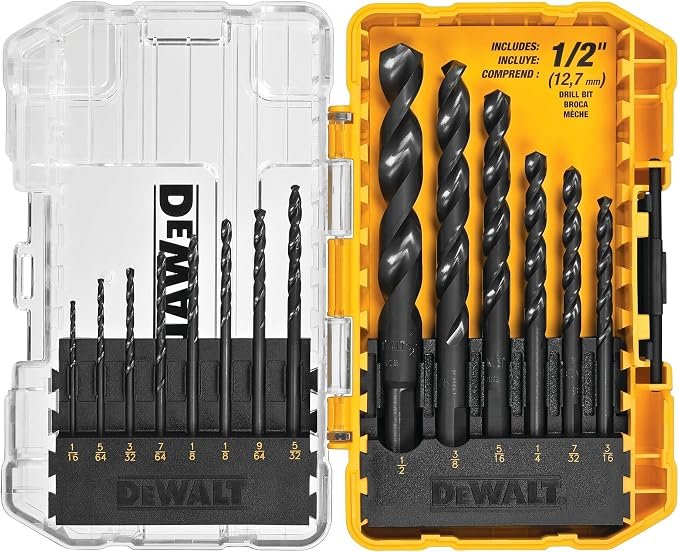
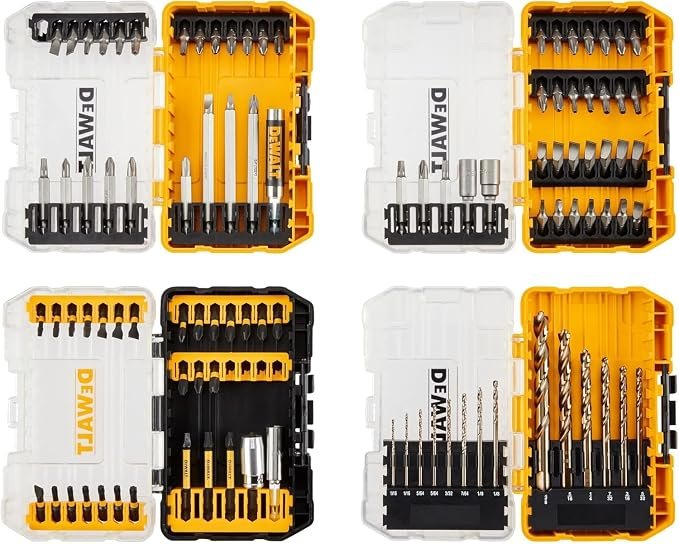
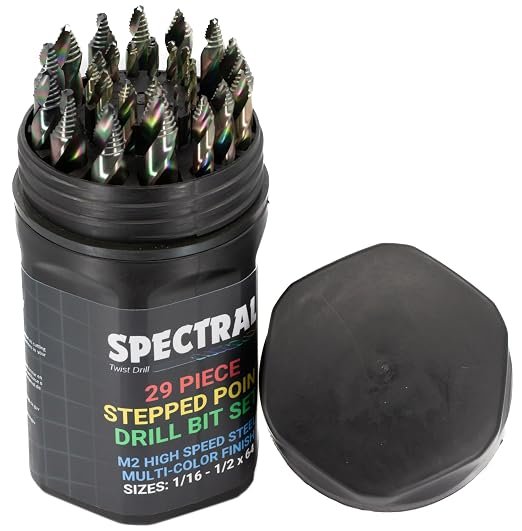
What Is a Drill Bit Set?
A drill bit set contains multiple bits in different sizes and sometimes different designs.
For homeowners and DIYers, a set can be more convenient than purchasing individual bits.
A masonry drill bit set may include several diameters suitable for common wall anchors, mounting hardware, and renovation projects.
The advantage is flexibility.
Instead of discovering halfway through a project that you need a different size, you can choose from multiple options.
Are Drill Bit Sets Worth Buying?
For regular DIY work, they often are.
A set can be particularly useful if you work on different projects and do not know exactly which diameter you will need in the future.
However, do not choose a set simply because it contains the largest number of pieces.
A smaller set made from suitable materials may be more useful than a large set filled with bits you rarely need.
Look for:
- Useful size range
- Appropriate material
- Clear size markings
- Secure storage
- Suitable applications
- Durable construction
Best Drill Bits for Home Improvement Projects
Home improvement projects often require several different types of drilling.
For example, you might need to:
- Mount a shelf to brick
- Install a cabinet into masonry
- Drill through tile
- Install a bathroom fixture
- Run wiring
- Mount a television bracket
- Install wall anchors
- Attach hardware
This is why a versatile drill bit collection can be useful.
Rather than purchasing one universal bit and expecting it to handle every material, build a selection around the materials you commonly encounter.
How to Drill Into Concrete Correctly
The drill bit is only one part of the process.
Proper technique matters.
Step 1: Mark the location
Measure carefully and mark exactly where the hole should go.
Step 2: Check for hidden hazards
Before drilling into a wall, consider the possibility of hidden electrical cables, plumbing, or other infrastructure.
Step 3: Choose the correct bit
Select a masonry bit suitable for the material and required hole size.
Step 4: Install the bit securely
Make sure the bit is properly fitted into the drill.
Step 5: Start carefully
Begin with controlled pressure and make sure the bit is aligned.
Step 6: Maintain control
Avoid forcing the drill unnecessarily.
Step 7: Clear debris when appropriate
Depending on the application and manufacturer’s recommendations, clearing dust from the hole can help the drilling process.
Step 8: Stop at the required depth
Do not drill deeper than necessary unless the application requires it.
How to Drill Into Brick Without Damaging It
Brick can crack or chip if drilling is performed aggressively.
A careful approach is important.
Start slowly and maintain steady alignment.
Avoid excessive force.
If the project involves a decorative brick surface, take extra care because cosmetic damage may be difficult to repair.
The exact drilling method should also depend on the type and condition of the brick.
How to Drill Into Tile Without Cracking It
Tile requires additional caution.
Before drilling:
- Confirm the exact hole location
- Use a suitable tile bit
- Start carefully
- Avoid excessive pressure
- Keep the drill controlled
- Follow the bit manufacturer’s instructions
Do not rush.
A small amount of extra preparation is much cheaper than replacing a cracked tile.
Should You Drill Through Tile With Hammer Mode?
Not automatically.
Hammer action can be useful for some masonry applications, but tile is a different material.
The correct approach depends on the tile and bit.
For delicate tile surfaces, using an unsuitable impact setting can increase the chance of damage.
Always check the manufacturer’s recommendations before using hammer mode on tile.
How Long Do Masonry Drill Bits Last?
There is no single lifespan that applies to every masonry drill bit.
Bit life depends on:
- Material hardness
- Number of holes
- Hole diameter
- Drilling speed
- Pressure
- Cooling
- Tool type
- Bit quality
- Application
A bit used occasionally in soft brick may last much longer than one repeatedly used in hard concrete.
This is why “How many holes will this bit drill?” is often impossible to answer without knowing the actual application.
Signs That a Drill Bit Needs Replacement
A worn bit may show signs such as:
- Slower drilling
- Increased heat
- Poor cutting performance
- Visible tip damage
- Excessive effort
- Reduced hole quality
Continuing to use a damaged or severely worn bit can make the job harder and may place unnecessary stress on the drill.
Inspect the bit regularly.
Common Drill Bit Buying Mistakes
Choosing the Wrong Material
A wood bit is not a substitute for a masonry bit.
Ignoring the Tile Type
Ceramic and porcelain may require different approaches.
Buying Only by Price
The cheapest bit may not provide the durability or application suitability you need.
Buying the Largest Set
More pieces do not automatically mean better value.
Ignoring Drill Compatibility
A demanding application may require a different drill type or drilling mode.
Forgetting Hole Size
The correct bit diameter is essential for anchors and mounting hardware.
Using Excessive Pressure
More pressure does not always mean faster drilling.
Good technique and the right bit are often more important.
What Should You Look for in a Masonry Drill Bit Set?
If you are buying a set for home use, consider these features.
Useful Size Selection
The set should include sizes you are realistically likely to use.
Suitable Tip Design
The cutting tip should be appropriate for the intended masonry materials.
Clear Markings
Size markings should remain easy to identify.
Secure Case
A good storage case makes it easier to find the correct bit and reduces the chance of losing pieces.
Material Quality
Look for construction appropriate to the intended application.
Compatibility
Make sure the bits fit your drill or drill chuck as required.
Best Drill Bits for Different DIY Jobs
Here is a simple way to think about your options.
Hanging a shelf on a brick wall
Use a suitable masonry bit.
Mounting hardware on concrete
Use a masonry/concrete bit appropriate for the required hole.
Installing a fixture on ceramic tile
Use a tile-appropriate bit and drill carefully.
Drilling through plywood
Use a wood-specific drill bit.
Drilling through steel
Use a bit designed for metal.
Installing an anchor in masonry
Match the bit diameter to the anchor manufacturer’s instructions.
The key principle is simple:
Choose the bit based on the material first, then choose the size based on the hole requirement.
Masonry Bit vs Multi-Purpose Drill Bit
Multi-purpose bits can be convenient because they are designed for a broader range of materials.
However, “multi-purpose” does not necessarily mean “best for every application.”
For occasional light work, a versatile bit may be convenient.
For frequent concrete or masonry drilling, a dedicated masonry bit may be more appropriate.
If the project is demanding, always prioritize the bit specifically designed for the material.
How to Choose the Best Drill Bit Set for Your Needs
Before buying, answer these questions:
What material will I drill most often?
Concrete?
Brick?
Tile?
Wood?
Metal?
What hole sizes do I need?
Think about your common anchors, screws, fixtures, and mounting hardware.
How often will I use the bits?
Occasional household use requires a different level of durability than frequent construction work.
What drill do I own?
Check whether your drill supports the required bit type and drilling method.
Do I need a complete set?
If you only need two or three sizes, buying a huge set may not be necessary.
Will I use the bits outdoors?
Consider storage and environmental conditions.
A Smart Drill Bit Collection for Homeowners
A practical DIY toolkit does not need dozens of specialized bits.
A homeowner may benefit more from having a few useful sizes in several material categories.
For example:
Masonry:
A selection of common sizes for brick, block, and concrete-related household projects.
Wood:
General-purpose wood drilling options.
Metal:
Suitable metal-cutting bits for common repair tasks.
Tile:
A small selection appropriate for the types of tile found in your home.
This approach gives you flexibility without filling your toolbox with unused accessories.
Why the Right Bit Can Save Money
It is easy to think of drill bits as inexpensive accessories that do not matter much.
But the wrong bit can increase the cost of a project.
You may:
- Damage the material
- Break a bit
- Waste time
- Overwork the drill
- Need replacement hardware
- Delay the project
A suitable bit is therefore not simply an accessory.
It is part of the overall tool system.
How to Store Drill Bits Properly
Good storage helps protect your investment.
Keep drill bits:
- Dry
- Organized
- Protected from unnecessary impact
- Clearly labeled
- Away from moisture
- Stored in an appropriate case
If the set includes different sizes, keep them organized so you can identify the correct bit quickly.
A good storage case also makes it easier to notice when a bit is missing.
Our Buying Advice
For most homeowners, the smartest approach is not to buy the biggest drill bit set available.
Instead, choose a set based on the materials you actually work with.
If you frequently drill into brick and concrete, prioritize a quality masonry set.
If you occasionally install fixtures on tile, add suitable tile-specific bits.
If your projects involve multiple materials, consider building a mixed collection rather than relying on one “universal” solution.
And if you regularly work on demanding construction projects, invest in bits designed specifically for that workload.
Final Verdict
The best drill bit for concrete, brick, masonry, or tile is not necessarily the most expensive option.
It is the bit that is properly designed for the material, correctly sized for the hole, compatible with your drill, and appropriate for the job.
For concrete, a suitable masonry or concrete-focused bit is generally the right starting point.
For brick and block, choose a masonry bit appropriate for the material.
For ceramic and porcelain tile, use a bit designed for the particular tile surface and drill carefully.
For homeowners, a well-selected drill bit set can be one of the most useful additions to a DIY toolkit because a single project can require several different hole sizes.
Before buying, focus on application rather than marketing.
Ask:
What am I drilling?
What size hole do I need?
What drill do I have?
How often will I use it?
Those four questions will usually lead you toward a much better purchase.
Frequently Asked Questions
What is the best drill bit for concrete?
A suitable masonry or concrete-focused drill bit is generally the right starting point for ordinary concrete drilling. The exact choice depends on the concrete, required hole size, drill, and application.
Can I use a masonry drill bit on brick?
Yes. Masonry drill bits are commonly used for brick and other masonry materials. However, brick hardness varies, so choose a bit appropriate for the particular material.
What drill bit should I use for ceramic tile?
A drill bit specifically designed for tile is generally a good choice. The correct bit depends on the type and hardness of the tile.
What is the best drill bit for porcelain tile?
Porcelain is dense and hard, so use a bit specifically recommended for porcelain or the particular tile material. Follow the manufacturer’s drilling instructions carefully.
Can I drill concrete with a regular drill?
Depending on the concrete, hole size, bit, and application, a regular drill may handle some lighter masonry tasks. A hammer drill can be more suitable for many concrete and masonry applications.
Should I use hammer mode on tile?
Not automatically. Hammer action can be useful for some masonry work but may be inappropriate for certain tile surfaces. Always follow the recommendations for the tile and drill bit you are using.
How do I choose the correct drill bit size?
Start with the required hole diameter. If you are installing an anchor or mounting hardware, follow the manufacturer’s specified hole size.
Are expensive drill bits worth it?
They can be, especially for frequent or demanding applications. However, price alone does not determine whether a bit is appropriate. Material suitability and application are more important.
How long do masonry drill bits last?
There is no universal lifespan. Durability depends on the material, drilling frequency, bit quality, hole size, technique, and tool.
Can one drill bit work on concrete, wood, and metal?
Some multi-purpose bits are designed for several materials, but a multi-purpose bit is not necessarily the best choice for demanding work. Dedicated bits can provide better performance for specific materials.
Do I need a complete drill bit set?
Not necessarily. If you only perform occasional projects, a smaller selection may be enough. A larger set becomes more useful when you regularly work with different materials and hole sizes.
Related SmallEasyTools Guides
If you are building a complete DIY toolkit, explore our other guides:
- Best Drill Accessories for Homeowners and DIYers
- Best Cordless Reciprocating Saws for DIY & Home Projects
- Best Circular Saws for DIY Woodworking & Home Improvement
- Cordless vs. Corded Power Tools: Which Is Better?
- Best Power Tools for Home DIY Projects
You can also explore the relevant Power Tools and Drill Accessories collections on SmallEasyTools to compare products based on your specific project.
Safety and Responsible Use
Drilling into walls, concrete, masonry, and tile can involve hidden electrical wiring, plumbing, structural components, and other hazards.
Always identify potential hazards before drilling.
Wear suitable eye protection and other recommended protective equipment. Secure the work area, use the correct drill bit, follow the manufacturer’s instructions, and never use a damaged bit or power tool.
If you are unsure about hidden services inside a wall or about the structural implications of drilling, consult a qualified professional before proceeding.
Affiliate Disclosure
SmallEasyTools may earn a commission when you purchase products through qualifying affiliate links. This does not increase the price you pay and helps support the website and its content.